

What Is the Best Sunscreen for Triathletes?
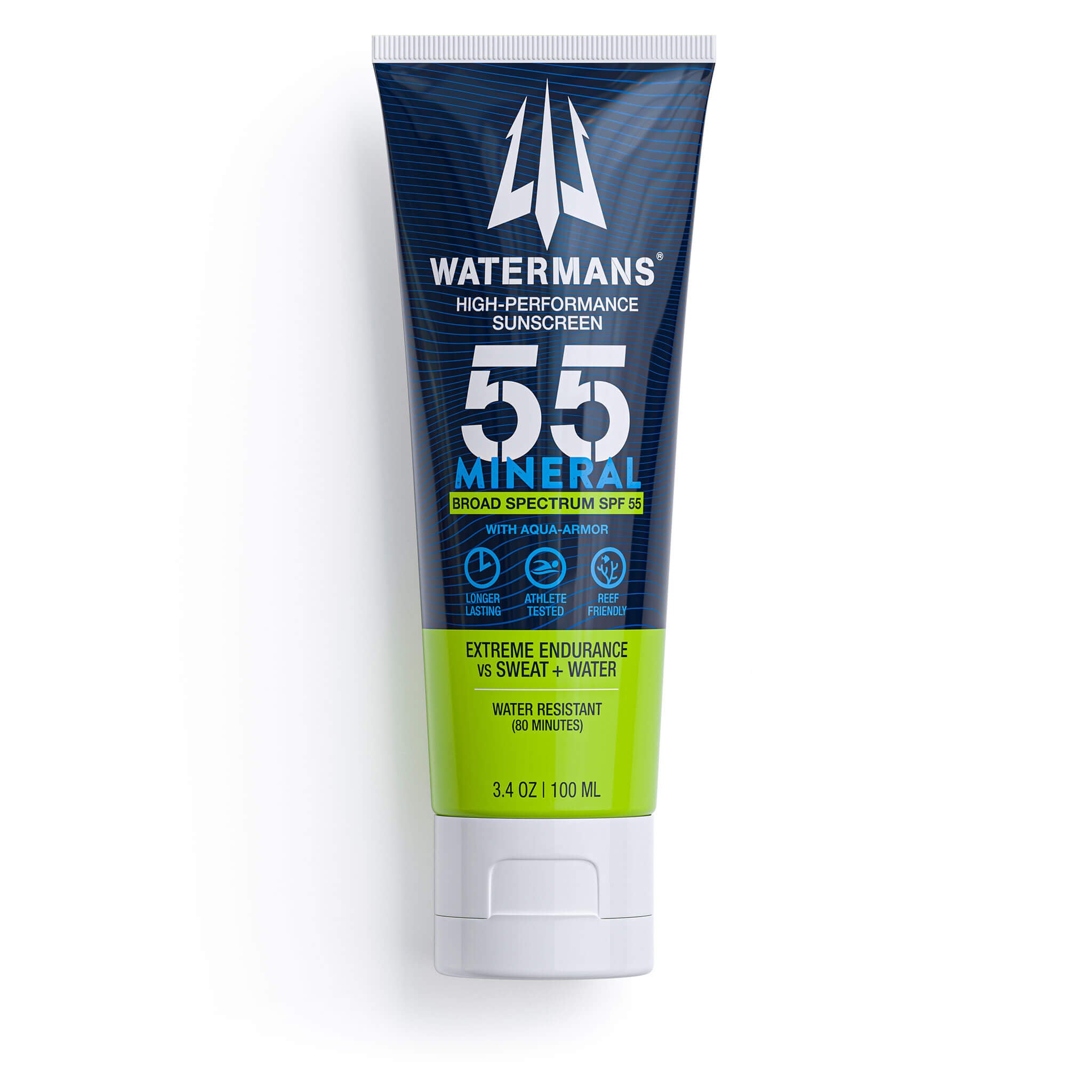
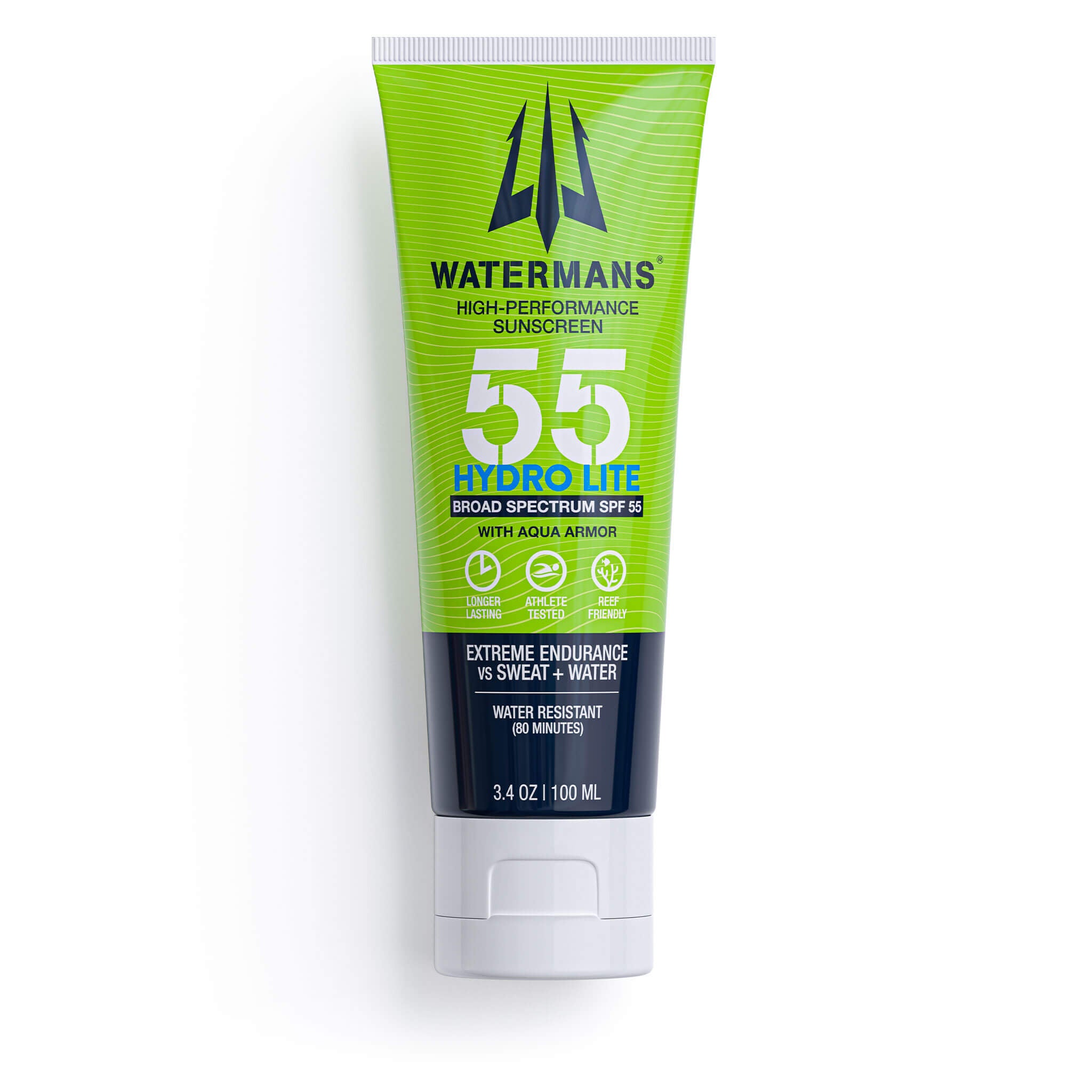
Watermans Mineral SPF 55 and Hydro Lite SPF 55 are independently commissioned immersion tested to 8 hours of water resistance, six times the FDA's 80-minute standard most sport sunscreens are held to. A triathlon is not one exposure to the sun, it is three, back to back, with no real break between the swim, the bike, and the run. Susan Haag, world record holder for most Ironman races completed, calls Watermans "easily portable, lasts long, and allows my skin to sweat and keep cool." The best sunscreen for a triathlete is one built for the actual length of race day, not a single leg of it.
The 8-Hour Difference Across Three Disciplines
Under FDA guidelines, sunscreen can only claim water resistance for a maximum tested duration of 80 minutes, and most sport sunscreens are built and tested to exactly that ceiling. The average Ironman swim leg alone runs 1 hour 15 to 20 minutes for most age-group athletes, already close to that ceiling before the bike and run legs even start. Watermans tests Mineral SPF 55 and Hydro Lite SPF 55 to 8 hours of water resistance through independently commissioned immersion testing, built for a day that runs from the swim start through the finish line, not just the first leg.
Mineral or Hydro Lite: Matching the Formula to the Race
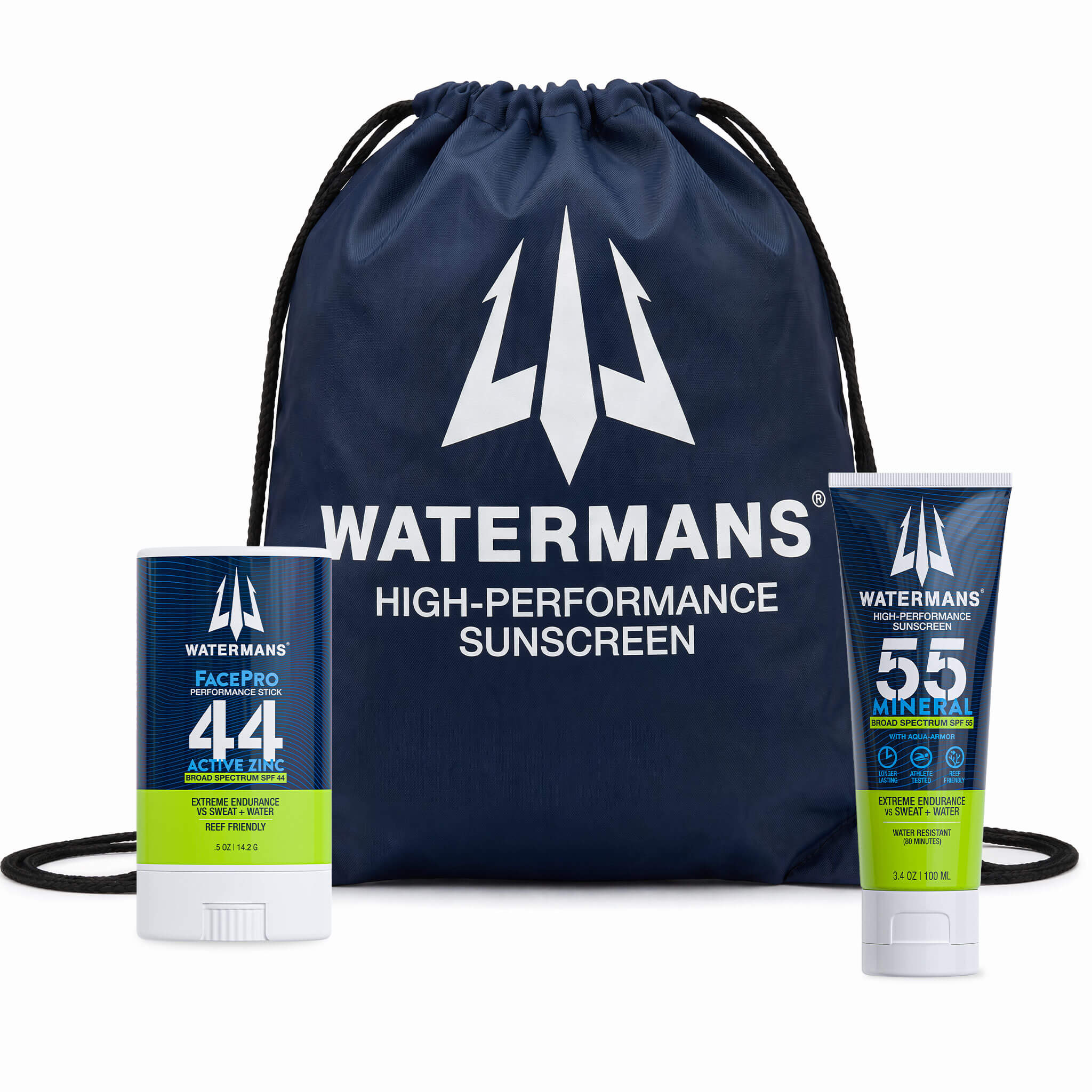
Mineral SPF 55 uses a zinc-based, oxybenzone-free formula built for full-race coverage. Hydro Lite SPF 55 carries the same 8-hour Aqua-Armor water resistance in a lighter lotion, useful for athletes who want less product weight through a long bike and run split. Both formulas hold the same tested duration, the difference is texture and feel, not protection level. The Full Sun Kit pairs Mineral SPF 55 with a stick-format product for full-body and face coverage in one purchase, built for exactly this kind of multi-discipline day.
Face Protection Through Transitions
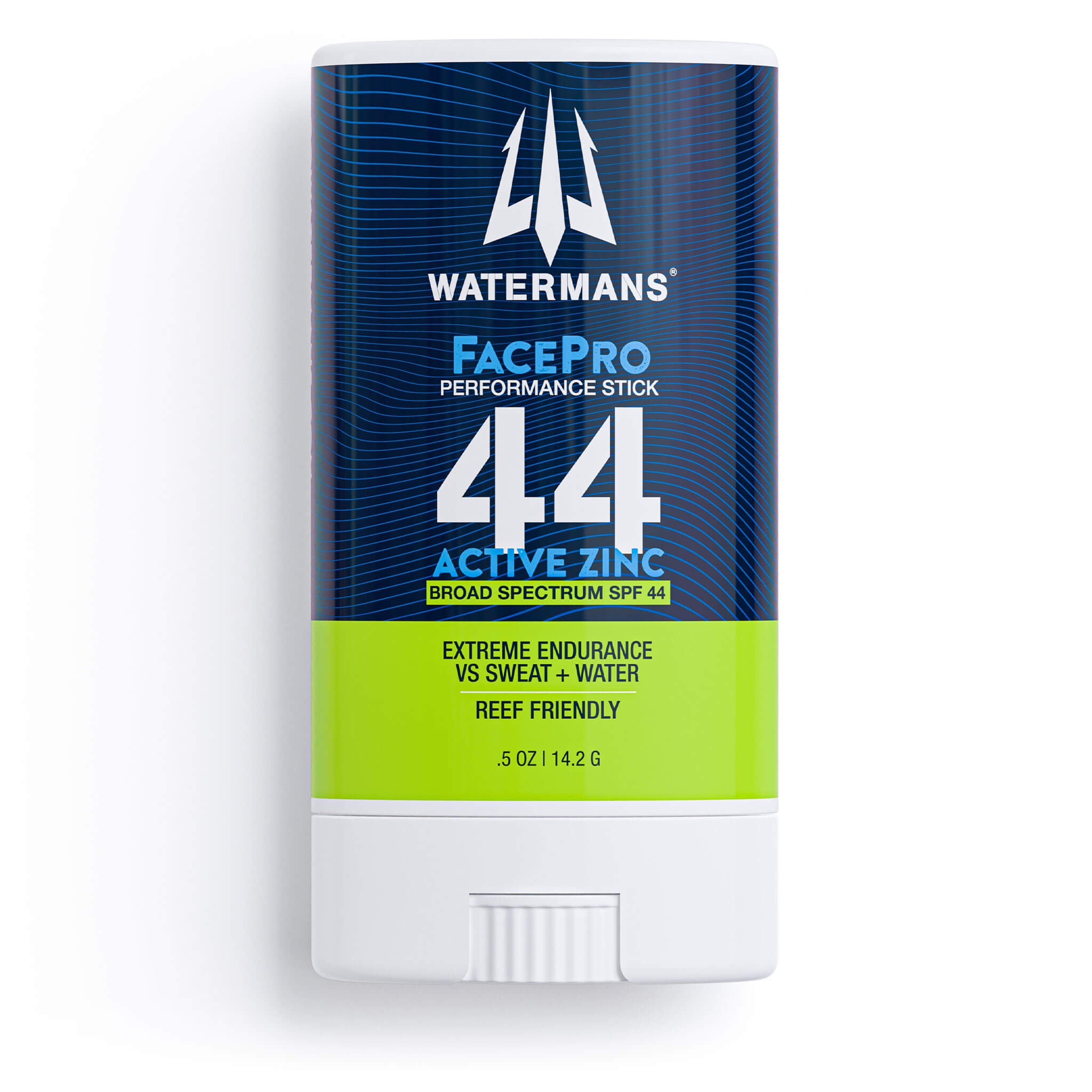
The face takes direct exposure through all three legs of a triathlon, plus reflection off open water during the swim and off pavement during the bike leg. It is also the area most likely to get rushed or skipped entirely during a transition, when every second counts against the clock. FacePro Stick SPF 44 is built for that gap: a precision, no-drip stick that applies clean with wet or sweaty hands, without needing to towel off first at T1 or T2.
How to Apply Sunscreen for Race Day
Apply Mineral SPF 55 or Hydro Lite SPF 55 at least 15 minutes before the swim start, covering the shoulders, upper back, and backs of the legs, areas triathletes commonly miss since they are hard to reach solo and sit directly under overhead sun during the bike and run legs. Use FacePro Stick SPF 44 for the face immediately before the swim start, and again quickly at T2 if time and race rules allow. Whatever goes on before the gun goes off is largely what an athlete is working with for the rest of the race.
Swim, Bike, Run: Why Each Leg Wears Down Sunscreen Differently
The swim leg tests water resistance directly, open water with no wall, no shade, and no break in exposure. The bike leg trades water for wind and hours of sweat, plus reflection off the road surface during a midday start. The run leg compounds heat and sweat after two disciplines have already worn at the formula. Watermans built the 8-hour Aqua-Armor standard around this exact sequence, a single application tested to survive water, then sweat, then more sweat, rather than one isolated exposure.
The Water Resistant Myth Triathletes Run Into Most
No sunscreen is truly waterproof, including Watermans products, and no sunscreen sold in the U.S. can legally carry that claim. Water resistant means a formula has been tested to maintain its labeled SPF for a specific duration of water exposure, not that it cannot wear off entirely under three straight disciplines of continuous exertion. Treating T1 and T2 as a checkpoint to glance at coverage, not just swap gear, is worth the few extra seconds it costs.
Building a Triathlon Sun Routine That Actually Holds
Start with a formula tested past the FDA's 80-minute ceiling, since that single spec removes most of the reapplication guesswork a multi-hour race day creates. Cover the face separately with a stick format that survives wet, salty, or sweaty hands better than a lotion bottle does. Treat T2 as a brief reapplication opportunity for the face and shoulders if your race allows it, since the run leg is where compounded exposure catches up fastest. Outplay the sun, not just outlast the race.
Key Takeaways
-
8 hours covers all three legs, not just the swim.
Mineral SPF 55 and Hydro Lite SPF 55 are independently tested to 8 hours of water resistance, six times the FDA's 80-minute standard. -
The swim leg alone nears the FDA's testing ceiling.
An average Ironman swim leg runs about 1 hour 15 to 20 minutes, before the bike and run legs even begin. -
Transitions are the only realistic checkpoint.
Whatever goes on before the swim start is largely what an athlete is working with through the bike and run legs.
